Nutrition and Dietetic Classes & Groups
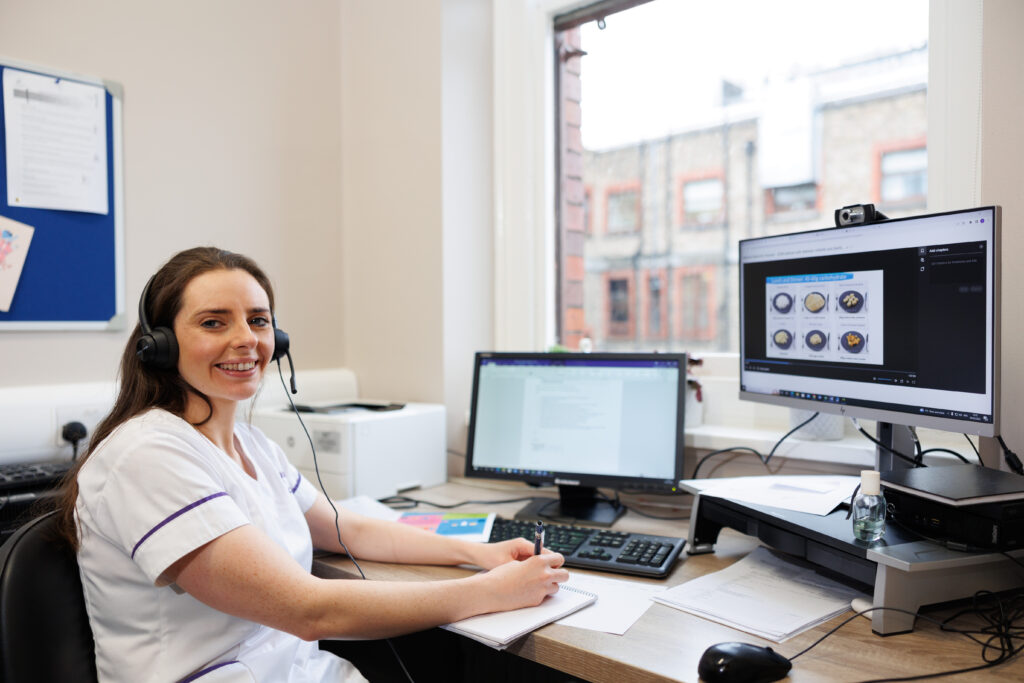
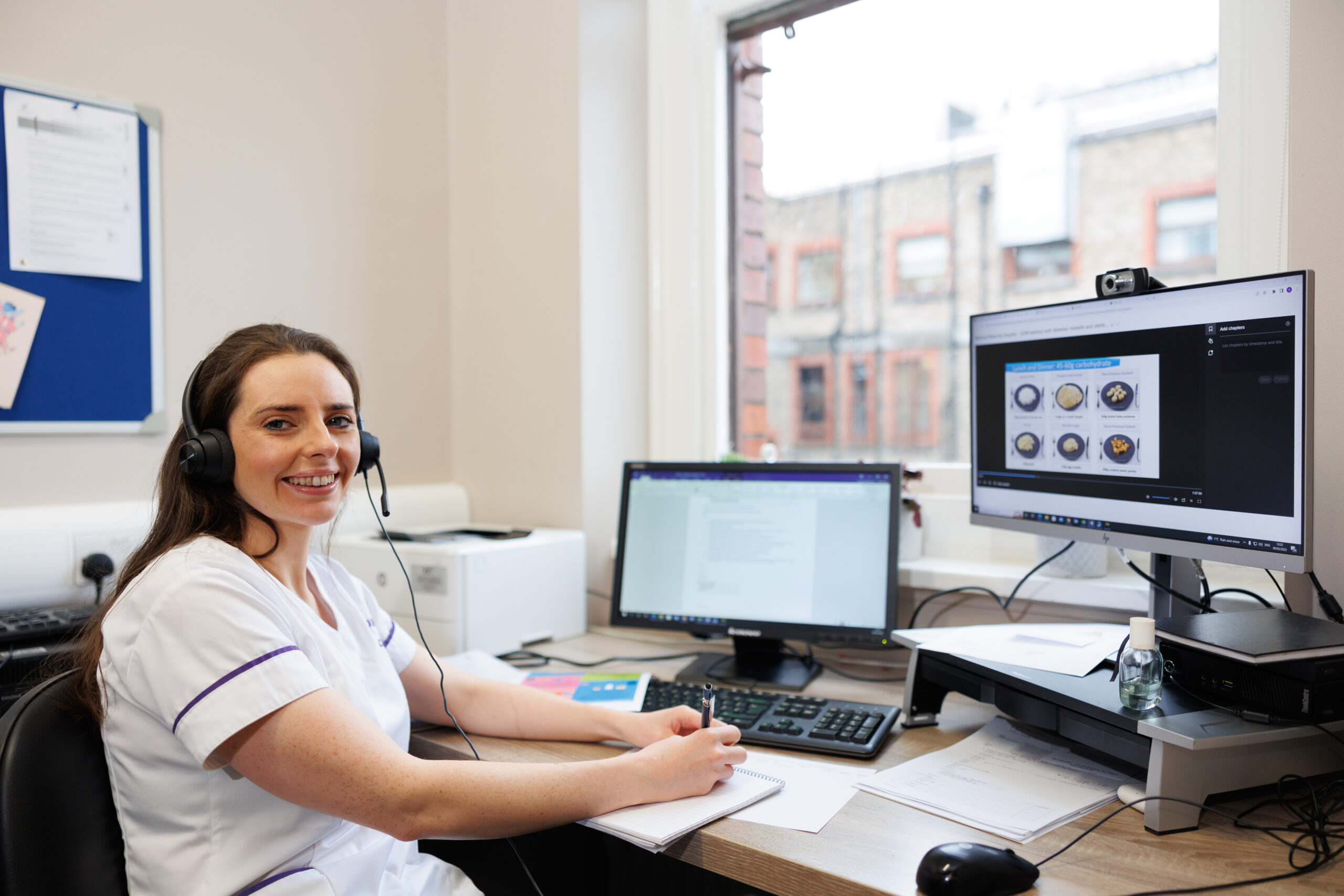
Our classes and groups take place online. It’s very important that you dedicate the allocated time and a quiet place for your online group or class.
Providing support for women and babies with additional nutritional needs.
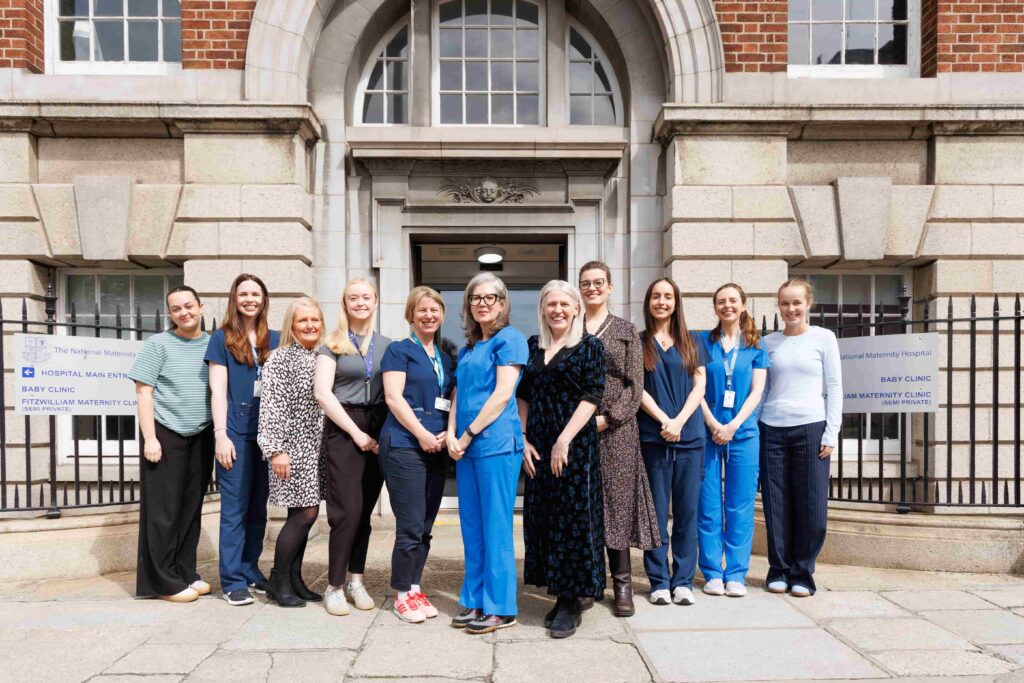
Dietitians assess your nutritional and medical needs, identify concerns and support healthy diet and lifestyle changes for you and your baby. They work closely with multidisciplinary healthcare teams, including midwives, nurses, doctors, pharmacists, therapists, psychologists and social workers to provide coordinated care.
Our expert dietitians take a collaborative approach, recognising you as the expert in your own and your baby’s wellbeing, and are here to help you both thrive.
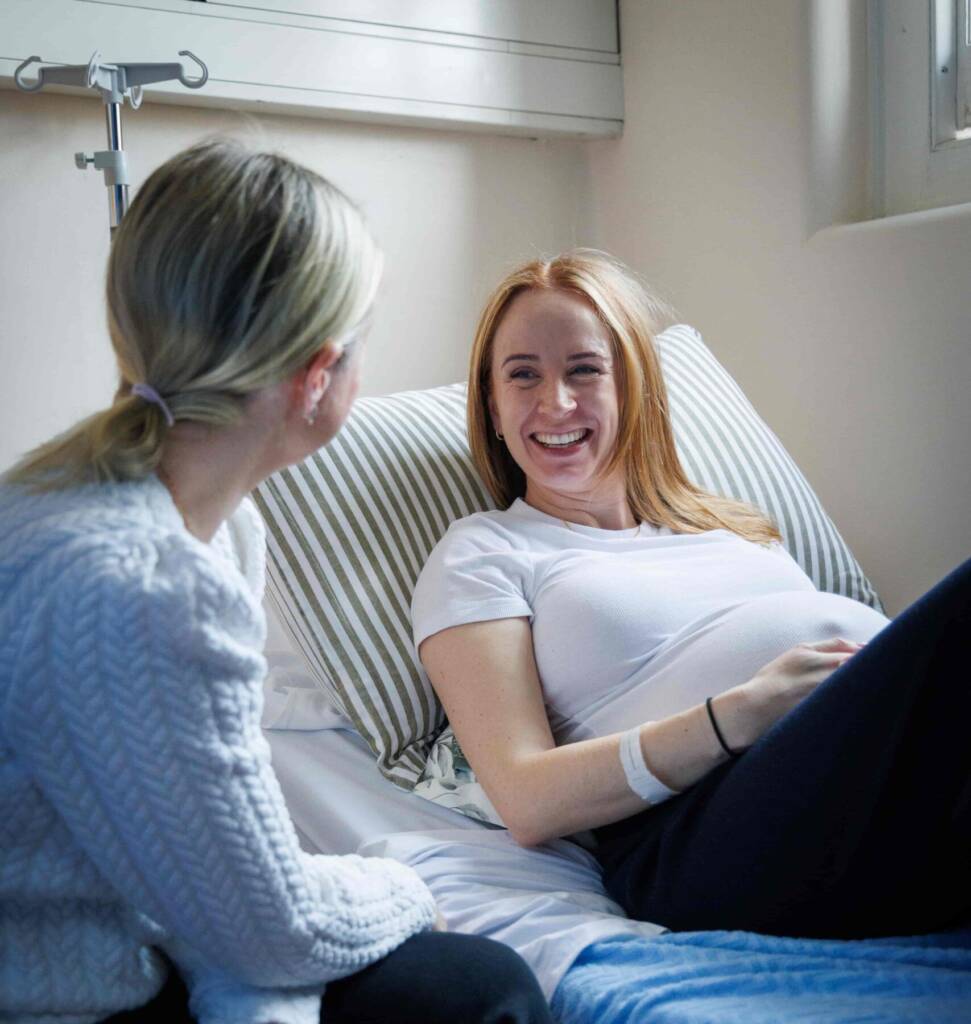
A healthy diet is important if you are planning a pregnancy. Eating well before you get pregnant helps your body store up nutrients that are vital for your baby’s early development.
Body Mass Index is an assessment of how your weight relates to your height. It’s not a perfect measure or indicator of health, but a BMI in the range 18.5- 25 kg/m2 might make it easier to conceive because body composition has an impact on the complexities of hormones and metabolic regulation.
If you are underweight, you may need to eat a larger amount of nourishing foods with a range of carbohydrates, essential fats and proteins and be sure that you are not exercising too much so that you can bring up your BMI to within the healthy range. Aim to have a steady weight for about 3 months before you try to conceive.
If you have an eating disorder, even if it is in remission or has not been formally diagnosed, it’s a good idea to seek support while planning your pregnancy to help you navigate the changes ahead.
If you are overweight, (BMI is over 25 kg/m2) making simple changes to improve your nourishment can be very helpful. For example, keep foods high in fat, salt and sugar e.g. crisps, sweets, fizzy drinks and takeaways to a minimum. Eat regularly, choose a balanced diet and increase your activity levels. Aim to lose about 10% of your current weight and to have a stable weight for a few months before you try to conceive. If you need more support, some community care areas offer a free dietitian-led weight management programs. Check with your local health centre for details or ask your GP for a referral to a community dietitian.
If you are living with obesity (BMI over 30 kg/m2), talk to your GP about management options before trying to conceive.
Support from a dietitian or your doctor can help you prepare and maximise your chances of a healthy pregnancy regardless of your weight or body size.
Talk to your doctor before trying to conceive if you have any other health problems or conditions, especially diabetes mellitus or metabolic disorders. Some health conditions can reduce your fertility or affect your baby’s development in the early weeks of pregnancy.

If you need to change or cancel an appointment, please contact us so that we can give the appointment to women or babies waiting for an appointment.
Please ensure we have your correct contact details on file, and notify us if there is any change.
We send important information by post and may also contact you by email to follow up on. consultations.
Phone
Clinic Times
Monday – Thursday: 8.30am – 4pm (Friday to 3:30pm)